Become the AI Answer
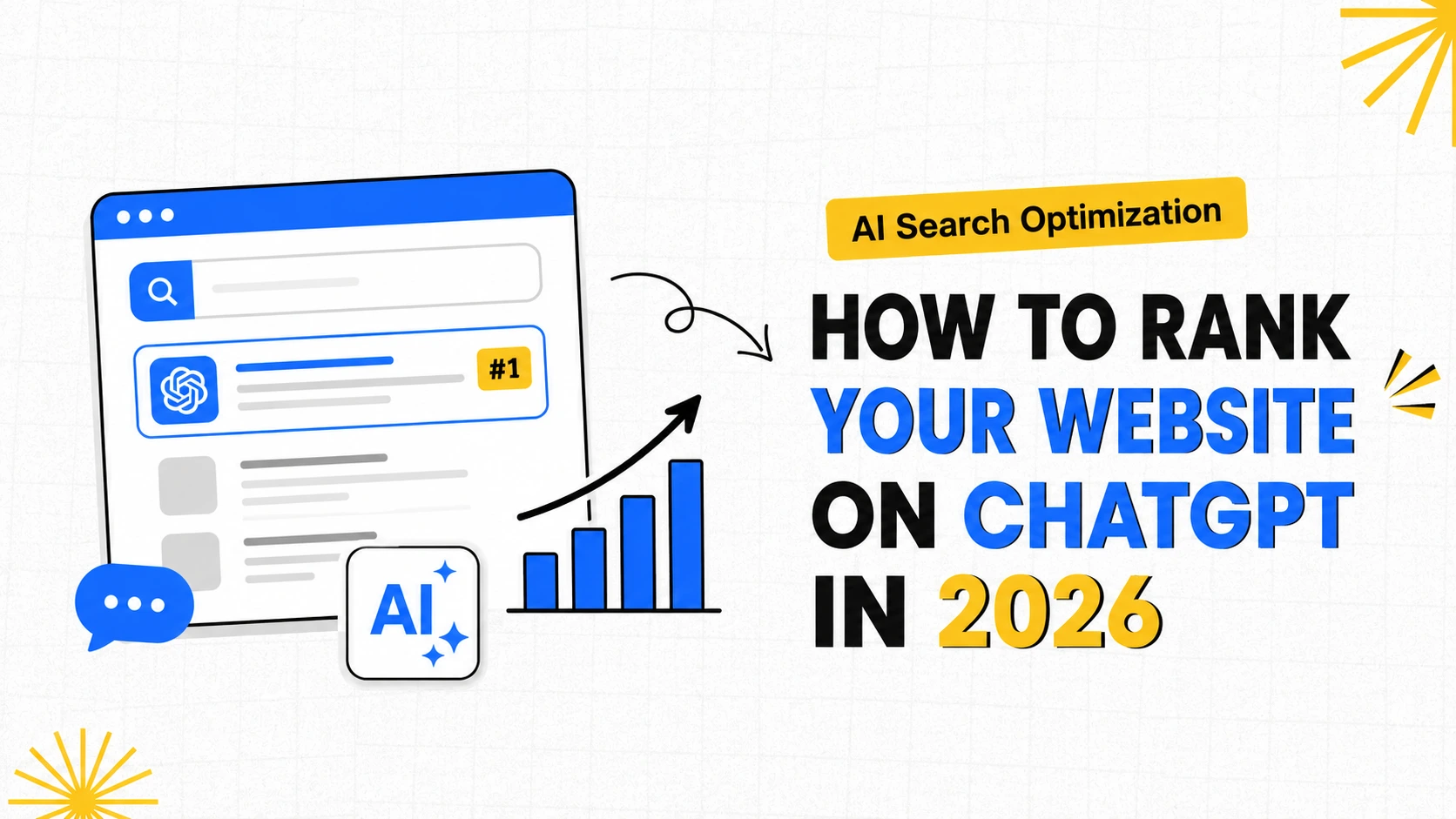
AI-powered search is changing how buyers discover manufacturing companies. Instead of relying only on Google, many now use ChatGPT, Gemini, and Perplexity to find trusted suppliers and solutions. This guide explains how AI Search Optimization can help your business improve visibility, build authority, and stay ahead as search evolves in 2026.
The way buyers find manufacturing suppliers is changing. A company looking for industrial solutions once searched on Google, compared a few websites, and picked up the phone. Today, that same buyer is more likely to ask ChatGPT, Gemini, or Perplexity for recommendations first. This shift is why AI Search Optimization now matters for B2B companies that want to stay visible once search moves beyond the traditional results page.
For manufacturers, this matters more than most industries. Industrial buying decisions involve months of research and technical comparison before a single sales call happens. If your website never shows up in an AI-generated answer, you may lose that buyer’s attention before your sales team even knows they existed.
AI search isn’t replacing SEO. It’s adding a new layer to how buyers discover businesses, and manufacturers who ignore AI SEO risk becoming invisible during the research stage. Whether you call it ChatGPT Search Optimization or AI SEO, the goal is the same: showing up where your buyers are actually looking.
What Is AI Search Optimization?
AI Search Optimization is the process of shaping your website and content so AI-powered search tools can understand your business and mention it in relevant answers. Traditional SEO helps a page rank for a keyword. AI Search Optimization helps an AI system understand what your company does, which industries you serve, and why it should trust your brand enough to recommend it.
Take a buyer asking, “Who are the best heat exchanger manufacturers in India?” Instead of ten blue links, the AI tool gives a short, summarized answer naming a handful of companies it considers credible. Getting named in that answer is the new version of ranking on page one.
Why Search Behavior Is Shifting
Traditional SEO vs AI Search Optimization
The two approaches share a foundation but aim at different outcomes.
Traditional SEO gets your website into search rankings and measures success through clicks and traffic. AI Search Optimization aims to make your brand part of the answer itself, and success looks more like mentions, citations, and how often your name comes up in AI-generated responses. Neither replaces the other. A strong SEO foundation still matters; it’s what AI systems often pull from in the first place. AI optimization builds on top of that foundation rather than around it.
How to Rank on ChatGPT: What Actually Decides It
There’s no single trick to good ChatGPT SEO. AI systems weigh several signals before deciding a website is worth referencing.
Content depth matters first. A page that clearly answers a specific question like material selection criteria or production tolerances, carries more weight than a generic product page. Topical authority matters too: one article rarely proves expertise, but a company that consistently publishes about applications, technical challenges, and buyer questions builds a pattern AI systems can recognize.
E-E-A-T signals still apply here. AI tools look for real case studies, named experts, clear company information, and mentions from other credible sources. Website structure plays a role as well; clean headings, internal links, and organized service pages make it easier for both users and AI systems to understand what you offer.
A Practical Checklist for Manufacturing Websites
Manufacturing companies often have deep technical expertise but explain it poorly online. A better approach is to build content around the actual questions buyers are asking rather than just product descriptions.
A practical starting checklist looks like this:
- Build content clusters around your core industry expertise
- Answer the specific questions your buyers already ask you directly
- Publish technical guides, not just product pages
- Add structured data and clean up site organization
- Earn mentions and backlinks from credible industry sources
- Keep key pages updated instead of letting them sit stale
The goal isn’t more content. It’s becoming the most useful source available when someone in your industry is searching for answers.
Building an AEO Strategy
Common Mistakes to Avoid
The Future of SEO Going Into 2026
How Dechcept Helps Manufacturers Prepare
At Dechcept, we work with manufacturing and industrial businesses to build digital visibility through performance-driven strategies. Our approach covers AI Search Optimization and ChatGPT Search Optimization planning, technical SEO, manufacturing-focused content built around buyer intent, and authority-building through credible industry mentions.
We know industrial marketing isn’t the same as consumer marketing. Buyers need technical clarity and proof before they trust a new supplier, and our goal is helping manufacturing brands become that trusted source on Google and on the AI platforms buyers are increasingly turning to first.
Conclusion
FAQs
It’s the process of improving website content and authority, so AI-powered platforms can understand and recommend a business in relevant answers.
It weighs content depth, relevance, authority, site structure, and available information about the brand online.
Focus on expert content, direct answers to buyer questions, solid SEO foundations, and industry authority.
Yes. It remains the foundation, while AI Search Optimization adds a layer for newer platforms.
SEO focuses on ranking pages; AEO focuses on becoming the direct answer inside AI-powered platforms.
Yes, it helps them get found by buyers researching suppliers, technologies, and solutions earlier in the process.

